Importance of Regular Shradh
Discover why performing Shradh annually is essential for family wellness.
Read More →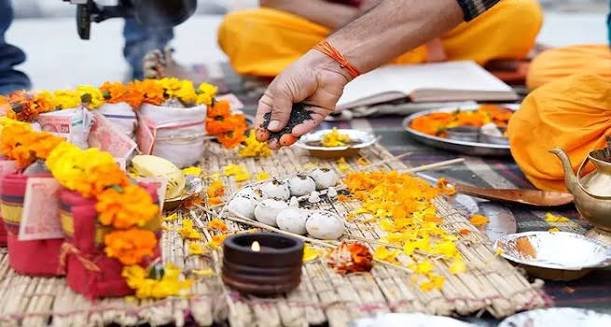
Shradh is one of the most sacred and important rituals in Hindu tradition. It is performed to honor the souls of departed ancestors and ensure their peaceful journey in the afterlife. The term "Shradh" derives from the Sanskrit word meaning "faith" and "reverence," reflecting the deep spiritual significance of this ceremony.
"Shradh is not merely a ritual, but a sacred duty to honor those who came before us and to ensure their eternal peace and liberation."
According to Hindu philosophy, Shradh holds immense importance for several reasons:
Families who perform Shradh regularly experience numerous benefits:
Creates peace in family relationships and emotional well-being.
Brings financial stability and material success to the family.
Improves health conditions and ensures long life for family members.
Removes obstacles in education, career, and personal endeavors.
The Shradh ceremony typically involves the following steps:
The family members purify themselves through bathing and wearing clean clothes before the ritual begins.
The Pandit invokes the departed souls through sacred mantras and chants, creating a spiritual connection.
Sacred water mixed with sesame seeds and barley is offered to satisfy the souls of ancestors.
Rice balls (pindas) are offered to provide nourishment to the subtle bodies of ancestors.
The ceremony concludes with prayers and blessings from the Pandit for the family's prosperity.
Shradh is a timeless ritual that connects us to our spiritual heritage and ensures the welfare of both the living and the departed. By performing Shradh with sincerity and devotion, we honor our ancestors and create a harmonious relationship with them. Whether performed annually on death anniversaries or during Pitri Paksha, this sacred ceremony brings peace, prosperity, and divine blessings to the entire family.