🌺
🪔
🌸
🕉️

Understanding Shradh Ritual

A comprehensive guide to the sacred Shradh ritual, its significance in Hindu tradition, and how to honor your ancestors with devotion.

Introduction

What is Shradh Ritual?

1. Definition and Meaning of Shradh

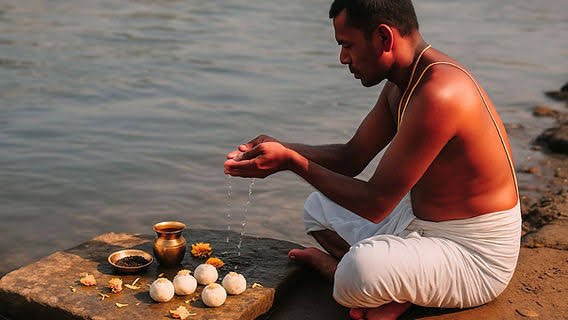
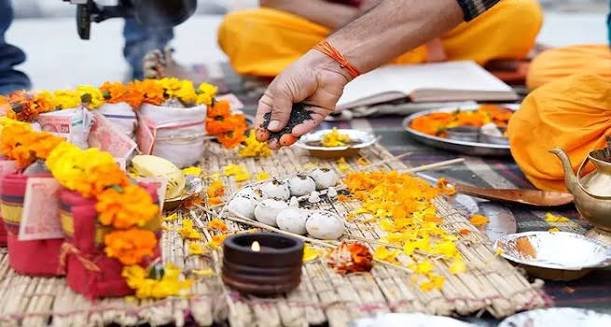
Shradh (श्राद्ध) is derived from the Sanskrit word meaning 'faith,' 'dedication,' and 'trust.' It is a Hindu ritual performed to honor, respect, and pay homage to deceased ancestors. The ritual expresses filial piety and ensures spiritual nourishment for the departed souls throughout their journey in the afterlife.

2. Historical and Vedic Significance

Shradh has roots in the Vedic period and is extensively mentioned in the Yajur Veda, Atharva Veda, and various Puranas. According to Hindu philosophy, Shradh is a sacred obligation to ancestors (Pitri Rina - debt to forefathers). It is believed to provide the departed souls with spiritual sustenance and help them attain salvation (Moksha).

3. Spiritual Purpose and Philosophy

The essence of Shradh lies in maintaining the spiritual connection between the living and the departed. It acknowledges that our existence is built upon the sacrifices of our ancestors. Through Shradh, we express gratitude, seek their blessings, and ensure their peaceful transition in the spiritual realm. This sacred duty is considered fundamental to Hindu dharma.
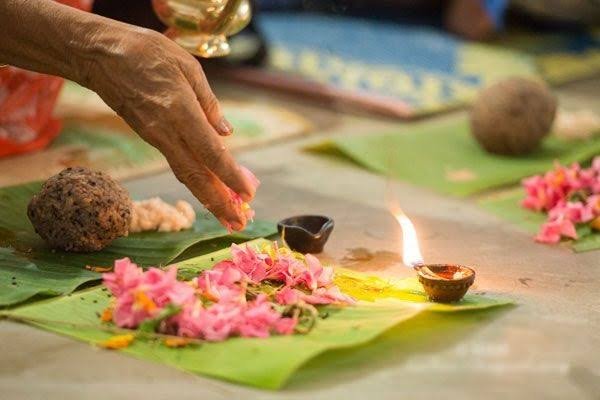
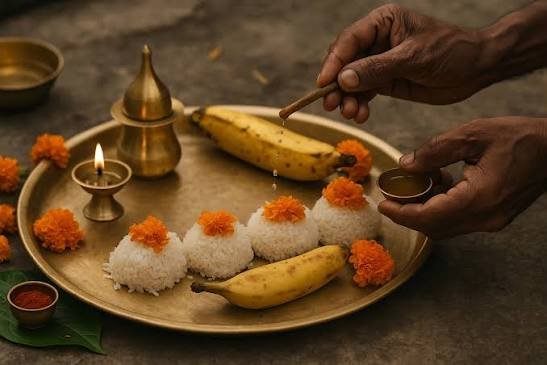
Shradh Ritual

Why Shradh is Important?

Shradh is more than a ritual—it is a sacred duty that connects us to our ancestors and fulfills a fundamental obligation in Hindu dharma. Here are the key reasons.

Honoring Ancestors

Express love, respect, and gratitude to those who came before us and shaped our lives.

Spiritual Obligation

Fulfill the sacred Pitri Rina (ancestral debt) as prescribed in Vedic scriptures.

Ancestral Blessings

Invoke divine protection and blessings of satisfied ancestors upon the family.

Removal of Karmic Debt

Help souls attain higher realms and freedom from the cycle of rebirth.

Family Harmony

Foster family unity and strengthen bonds through shared spiritual practices.

Benefits of Performing Shradh

Performing Shradh with devotion brings numerous spiritual, emotional, and karmic benefits to both the ancestors and the living family members.

Peace to Ancestors

Ensures eternal peace, satisfaction, and spiritual nourishment for departed souls.

Family Prosperity

Brings happiness, harmony, wealth, and long-term prosperity to the entire family.

Ancestral Blessings

Invoke divine protection and positive karmic influence from satisfied ancestors.

Mental and Emotional Peace

Promotes emotional balance, inner peace, and freedom from ancestral guilt.

Health and Longevity

Supports physical health, immunity, and longevity through positive karmic energy.

Spiritual Growth

Strengthens devotion, gratitude, and deepens spiritual awareness and connection.

Shradh Ritual Process Overview

Understanding the traditional steps involved in performing a complete Shradh ceremony according to Vedic procedures and family customs.

1
Sankalp
2
Tarpan
3
Pind Daan
4
Rituals & Prayers
5
Brahmin Feast

What's Included in Shradh Ceremony

A traditional Shradh ceremony comprises several important components that work together to honor ancestors according to Vedic procedures and family customs.

Sankalp
Tarpan
Pind Daan
Sacred Mantras
Brahmin Feast
Vedic Procedures
Spiritual Guidance
Divine Blessings

About Traditional Shradh Practice

Learn the key aspects and principles that make Shradh one of the most sacred and important rituals in Hindu tradition and Vedic culture.

01
Vedic Foundation
02
Universal Applicability
03
Customizable Practices
04
Family Traditions
05
Spiritual Efficacy
06
Perpetual Relevance

Types of Shradh Rituals

There are various forms of Shradh rituals performed at different times and for different purposes according to Vedic tradition and family customs.

Pitri Paksha Shradh
01
Pitri Paksha Shradh
Mahalaya Shradh
02
Mahalaya Shradh
Tripindi Shradh
03
Tripindi Shradh
Narayan Bali Shradh
04
Narayan Bali Shradh
Pitra Dosh Nivaran
05
Pitra Dosh Nivaran
Aniruddha Shradh
06
Aniruddha Shradh

Image Gallery

Explore our collection of sacred ceremonies, temples, and spiritual moments

Blessings from Our Satisfied Devotees

Experience the spiritual transformation and divine blessings through authentic Puja services.
Hear stories from devotees who found peace and prosperity.

Satyanarayan Puja Ceremony

Divine ritual for prosperity and blessings

Graha Shanti Puja

Astrological remedies and planetary blessings

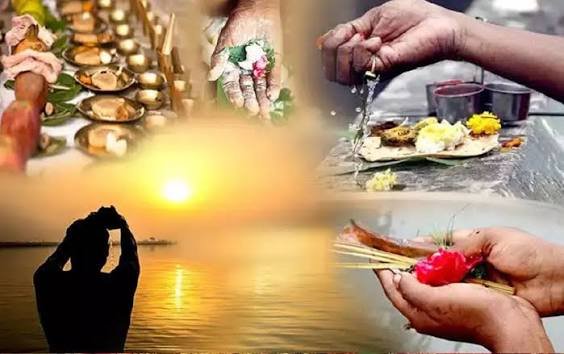
Shradh Ceremony & Pind Daan

Honoring ancestors with sacred rituals

Satyanarayan Puja Ceremony

Divine ritual for prosperity and blessings

Graha Shanti Puja

Astrological remedies and planetary blessings

Shradh Ceremony & Pind Daan

Honoring ancestors with sacred rituals

Frequently Asked Questions

Find answers to common questions about Shradh ritual, its significance, and how to perform it correctly.

Shradh is a sacred Hindu ritual that honors and pays respect to deceased ancestors. The word means 'faith' and 'dedication' in Sanskrit. It is important because it fulfills our spiritual obligation to ancestors (Pitri Rina), ensures their peace and liberation, and brings blessings to the living family members. Shradh maintains the spiritual connection between generations and is considered a fundamental duty in Hindu dharma.
Shradh is traditionally performed during Pitri Paksha (the lunar fortnight dedicated to ancestors, typically September-October). However, it can also be performed on death anniversaries (Tithi), on new moon days (Amavasya), or during Mahalaya. Many people perform Shradh throughout the year on their ancestors' death dates. There is no restriction on performing Shradh at any time of the year if family circumstances require it.
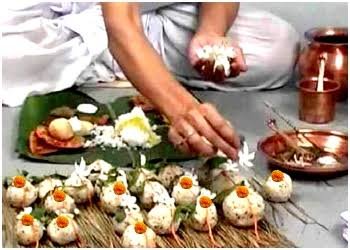
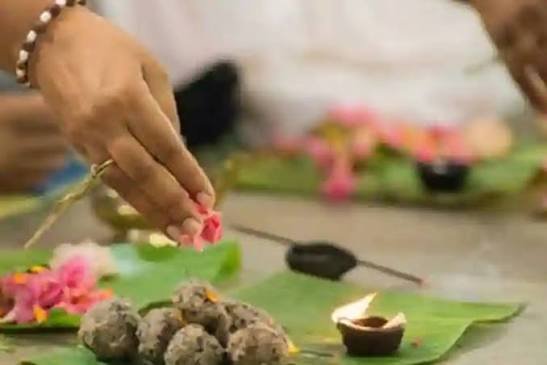
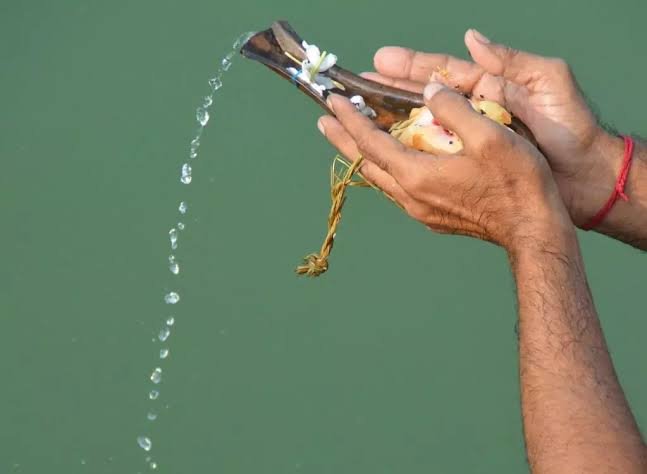
The main components of Shradh include: Sankalp (declaration of intent), Tarpan (water offering), Pind Daan (rice ball offering), sacred mantras, and prayers. The ritual also involves offering food (Brahmin feast), meditation, and seeking blessings. Each component has specific significance and is performed according to Vedic procedures and family traditions. The ritual can be conducted at home, temples, or sacred pilgrimage sites.
There are several types of Shradh: Pitri Paksha Shradh (performed during the lunar fortnight), Mahalaya Shradh (on the new moon), Aniruddha Shradh (for sudden deaths), Tripindi Shradh (for three generations), and Narayan Bali Shradh (for departed ancestors without heirs). Additionally, there is Pitra Dosh Nivaran Puja to remedy ancestral curses. Each type serves a specific spiritual purpose and can be chosen based on family circumstances and requirements.
The benefits of Shradh include providing spiritual nourishment and peace to ancestors, helping them attain liberation (Moksha). For the living family, Shradh brings ancestral blessings, removal of obstacles, improved health and prosperity, family harmony, and karmic balance. It also helps remove negative influences of Pitra Dosh (ancestral curses) and invites positive energy and divine grace. Additionally, performing Shradh strengthens spiritual awareness and fulfills our sacred duty.
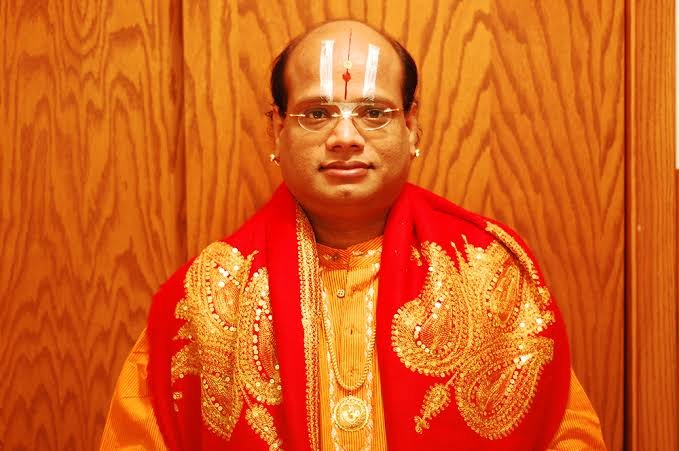
While simple prayers and offerings can be done at home without a Pandit, a traditional and complete Shradh ceremony is ideally performed under a qualified Pandit's guidance. A Pandit ensures that all Vedic procedures are followed correctly, proper mantras are chanted, and rituals are conducted according to your family's traditions and Vedic scriptures. For maximum spiritual efficacy, especially for important occasions, consulting an experienced Pandit is highly recommended.
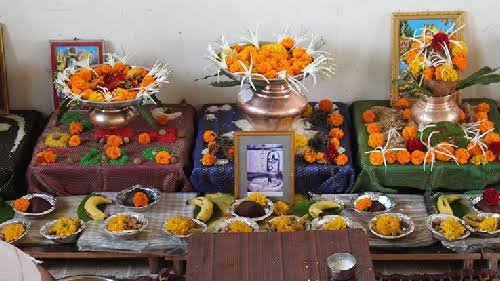
To prepare for Shradh, gather necessary items like rice, sesame, flowers, fruits, and incense. Arrange a clean, sacred space for the ritual. Inform a qualified Pandit in advance about the date, ancestors' names, and any specific family traditions. Fast or follow dietary restrictions if desired. Prepare the minds of family members through meditation and devotion. Most importantly, approach the ritual with sincere faith, respect, and genuine intention to honor your ancestors.

Perform Shradh With Devotion and Guidance